Neocaridina

Orange Sunkist

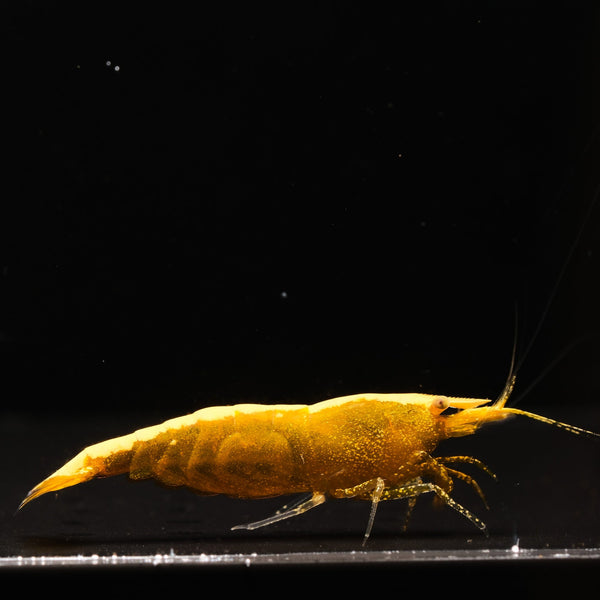
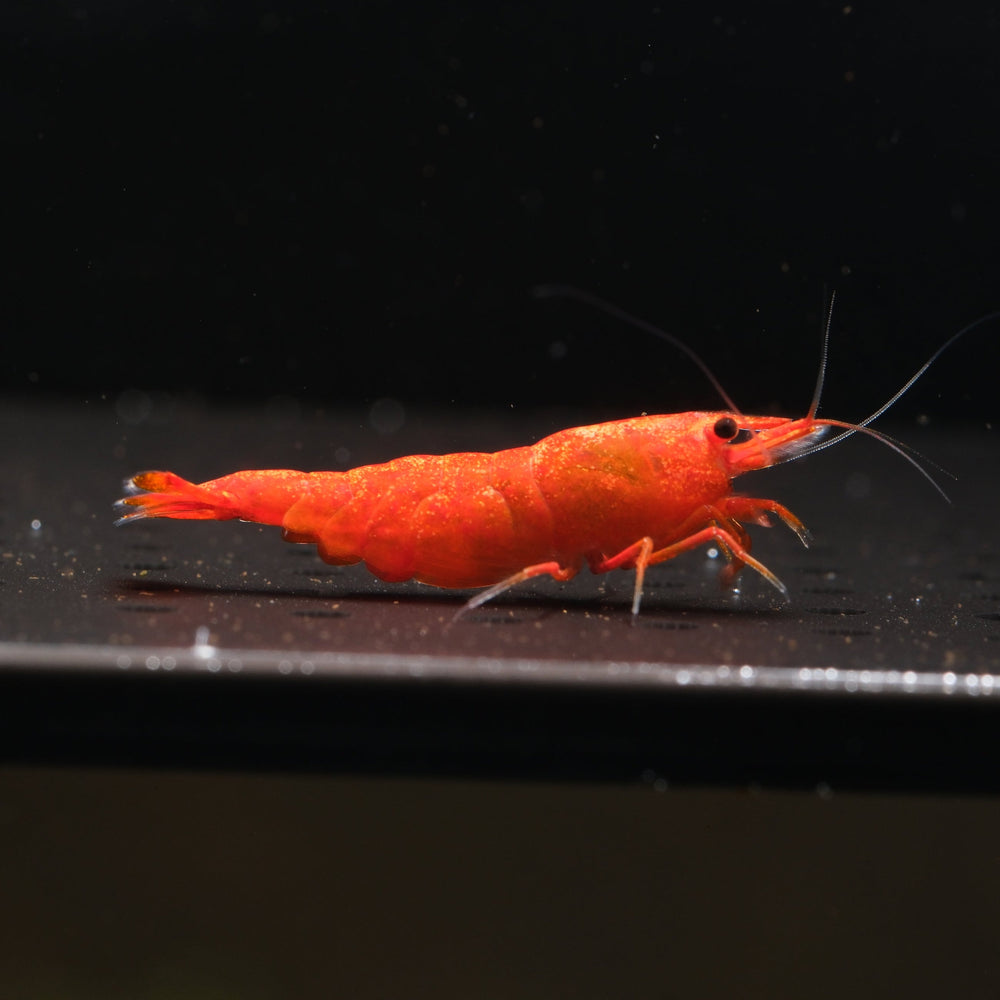
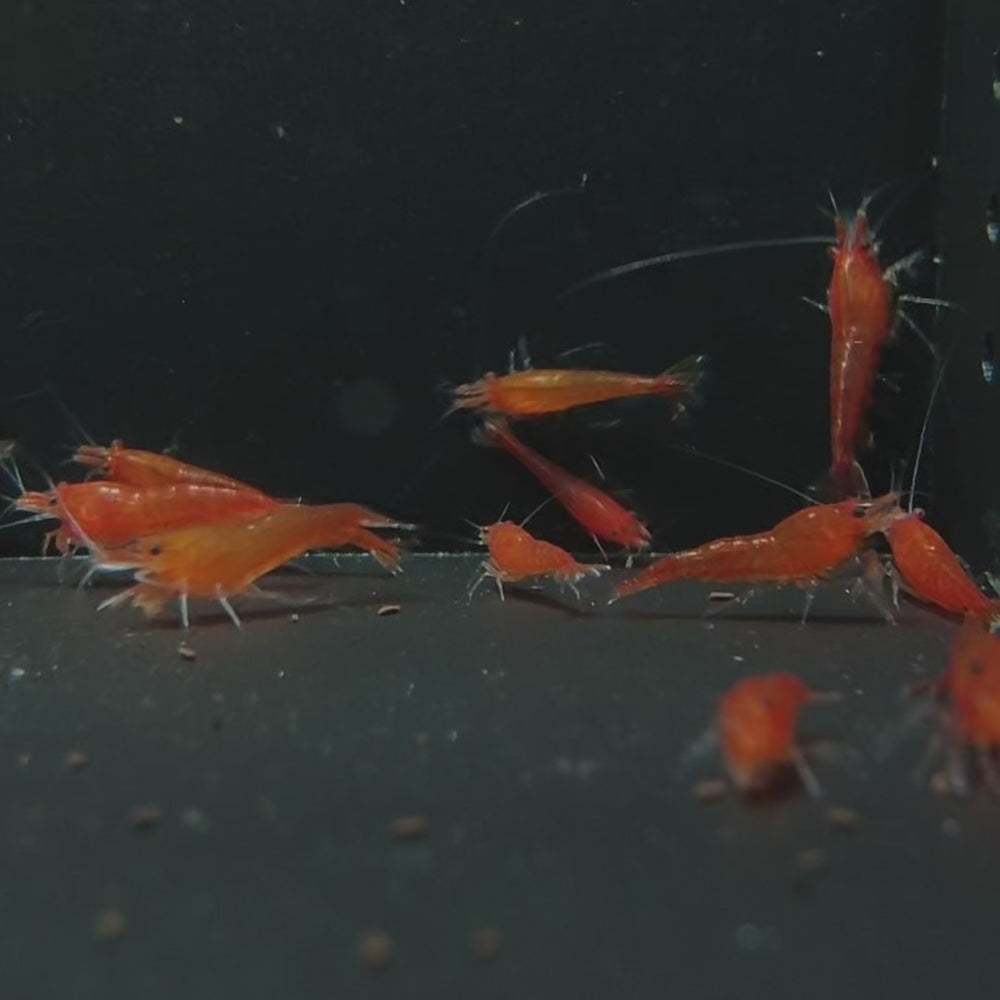
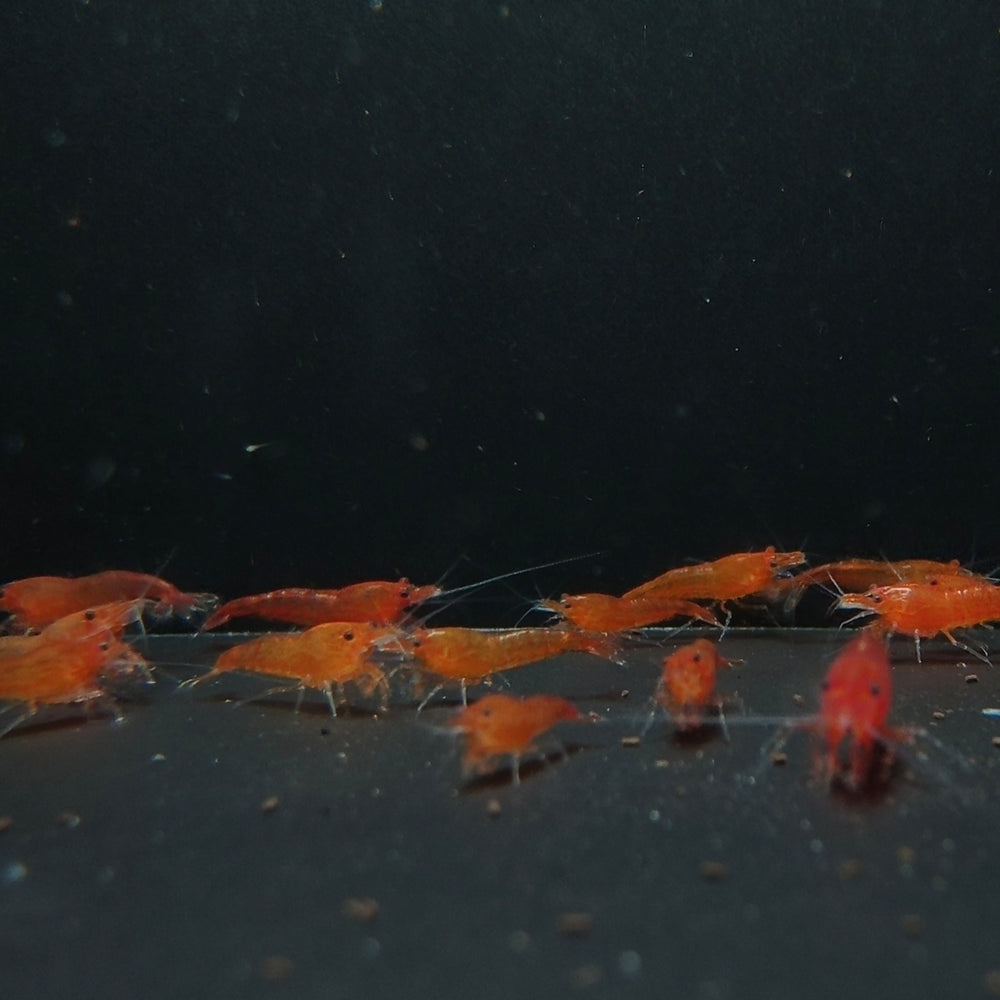
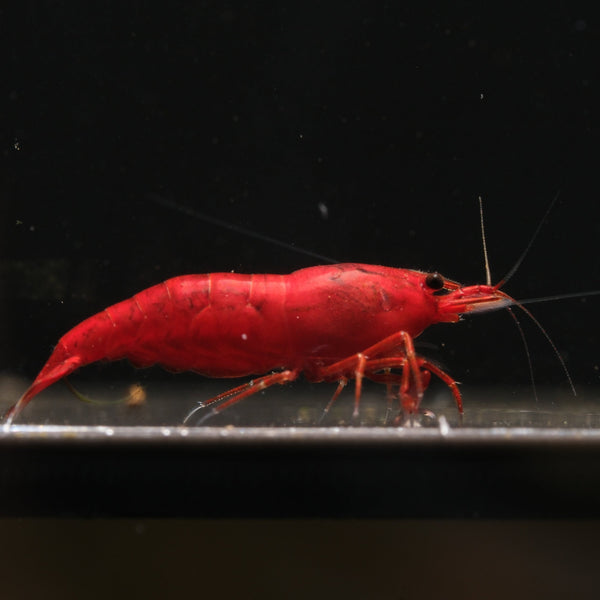
A deeper, more solid orange than most, turning blood orange under RGB light. Bred in our Sunshine breeding room.

Sold as unsexed juveniles, 0.6 to 1.2 cm.

Choose how many

Orange SunkistIn stock

$8.00 AUD per shrimp

Shrimp total$8.00

1 shrimp

You get a clip of your shrimp before dispatch day.

ShipsMon or Tue ArrivesBy express post Covered96 h in transit

Dispatched on Mondays and Tuesdays.

$25 express, free over $250 Delivery details

We only ship live animals toACTNSWQLDSAVIC

We can't ship live animals toWANTTAS

Message us for further enquiries

Buying several?

A line worth getting to know

About the line & photographs

The orange Neocaridina is usually sold as Orange Sakura or Pumpkin a bright, slightly see-through tangerine, bred originally out of red and yellow cherry stock, and it breeds true. Our Orange Sunkist is selected for more than that. The general tone runs a deeper orange than usual, a little more red than most on the market, and the majority carry a more solid colour over the body. It keeps all...

Photographs show reference adults. As the supplied juveniles mature, shell density, head coverage and colour keep developing with each moult.

Explore colour, lineage & development
The details, when you need them

Appearance & grading

What this line looks like, how it develops, and how the grades differ.

Colour, lineage & development

Orange Sunkist Cherry Shrimp (Neocaridina) | Single Grade Colony

A deeper orange than most orange shrimp on the market, with a slight lean towards red. Under RGB lighting it reads as blood orange.

Most carry a solid colour over the whole body, rather than the see-through tangerine common in orange lines.

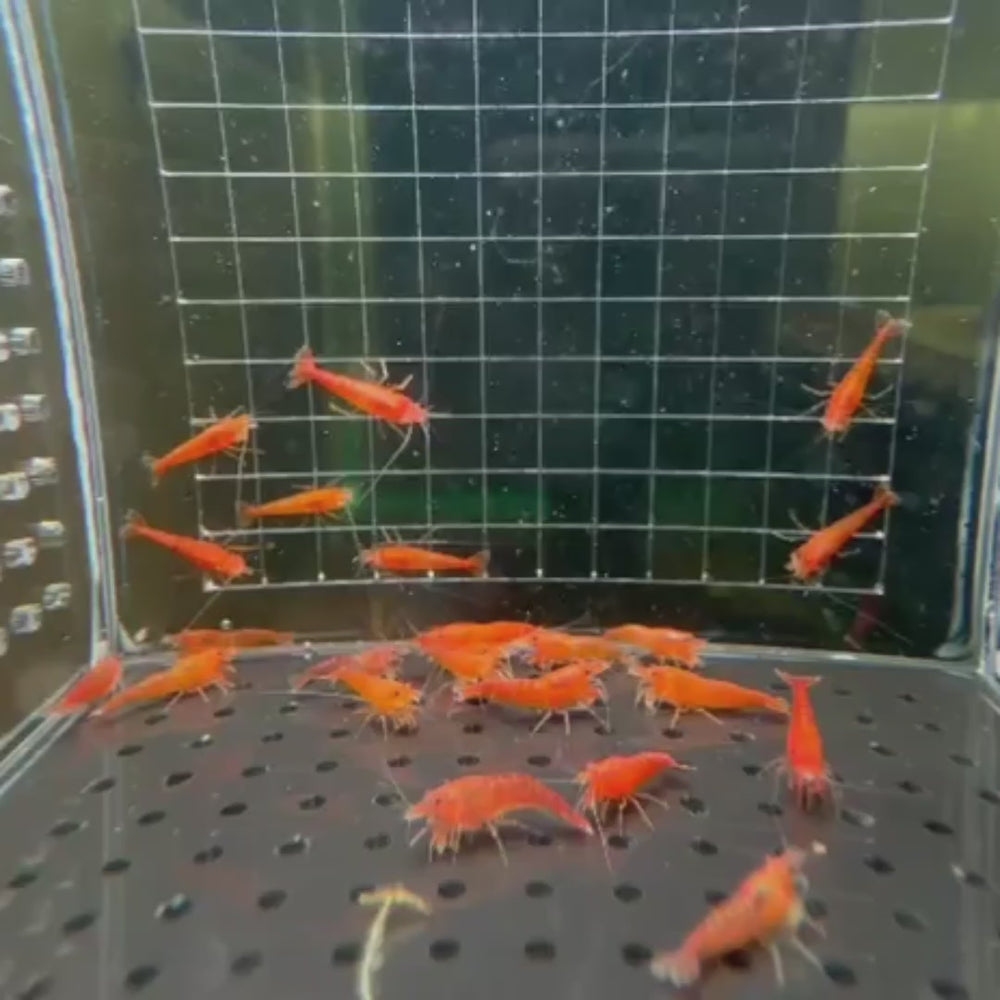
Arrives young and lighter. As they mature the colour intensifies and the shell becomes more solid.

One price, no grades. The depth comes with age, so sorting juveniles would be guesswork.

Neocaridina. The easier of our two shrimp families, hardy and quick to breed, and a good first shrimp. Numbers in the FAQ.

The orange Neocaridina is usually sold as Orange Sakura or Pumpkin: a bright, slightly see-through tangerine, bred originally out of red and yellow cherry stock, and it breeds true. Our Orange Sunkist is selected for more than that. The general tone runs a deeper orange than usual, a little more red than most on the market, and the majority carry a more solid colour over the body. It keeps all the hardiness and quick breeding of a cherry shrimp.

About the photo. The shrimp pictured is one of the best-looking adults from the batch. Juveniles arrive a lighter, brighter orange, and the colour and shell build with each moult.

Where this line sits. A deep, solid orange leaning towards red. Most adults carry solid colour over the whole body, not a see-through tangerine.

  • Lighting changes the look: Under RGB lighting the deep orange reads as blood orange. Under plain white light it shows as a solid, deeper-than-usual orange.
  • Shows best on dark ground: Against a dark soil and green plants the colour reads strongest. On pale sand it washes out.

How the colour changes. Pale from the trip for a few days, then see-through while young, filling in with each moult (each shed of the shell) to the adult look.

Males and females. Males are always paler and less coloured than females. That is normal for every Neocaridina line, so a colony always has some lighter shrimp.

What helps. Stable water and good food help the colour fill in.

We grade the traits that vary within a batch: pattern density, colour saturation and how far colour wraps around the shell. Where those differences show clearly in the tank, we sort them and price each tier accordingly.

Orange Sunkists cannot be sorted that way, because the depth of colour and the solid shell come with age. A lighter juvenile today is simply younger, not lesser.

So Orange Sunkists are one grade, one price: hardy unsexed juveniles from the same colony.

The photo shows a high-grade or best-looking adult from the batch. We ship unsexed juveniles, 0.6 to 1.2 cm, too young to tell male from female. For detailed water parameters, tank setup guides, and our 100% Live Arrival Guarantee, see our FAQ.

Water & care

The water they need, how to settle them in, and the first few days.

Water, care & arrival acclimation
pH
6.8–7.8
GH
6–10 dGH
TDS
150–250 ppm
KH
2–6 dKH
Temperature
20–24 °C
Tank
20+ L

Tap-water safe.

Drip-acclimate slowly, adding tank water a little at a time. Float the sealed bag for 10 to 15 minutes so the temperature matches, then drip tank water over an hour or two. Care & acclimation guide

Photograph and video any affected animals promptly and contact us within 8 hours of delivery. Arrival cover does not extend to deaths after acclimation begins.

First days & common questions
Before you buy 8 quick answers
What actually turns up in the bag?

Unsexed juveniles, 0.6 to 1.2 cm, about the size of a grain of rice and too young to tell male from female. Shipping at this size gives the best survival and the easiest adaptation to your water, and you always end up with both sexes. Adults are available on request at roughly twice the juvenile price.

Will they look like the photo?

Not on day one. The photo shows a high-grade or best-looking adult from the batch. The shrimp you receive is young and still filling in. The colour packs in with each moult. Every shrimp is an individual, so no two carry exactly the same pattern.

What does the grade mean?

The grade describes appearance and says nothing about health. An Entry shrimp is as healthy as a Collector one and comes from the same parents. It shows less of the pattern and has more flaws in it. What we grade on differs by line, and the Grading panel above spells it out for this one. We grade by eye at shipping size, and shrimp rarely move a grade as they grow. If you know the hobby's letters, Entry is roughly S, Mid SS, High SSS.

Can I keep them in my water?

Almost certainly. Neocaridina live happily in ordinary treated tap water inside the ranges in the water card above, and forgive the mistakes every new keeper makes. Keep the water steady: a reading a little outside the range is far better than one that keeps moving. The tank does need to be cycled, which means run for a few weeks until it can process waste. That step is not optional.

Full care & acclimation guide
They arrived pale and barely moving. Is that normal?

Yes. Every shrimp arrives pale from the trip and colours back up within hours to a few days, and a Green Emerald can take about a week. Float the bag, then drip your tank water into it slowly over an hour or two before releasing them, so the water changes gradually. If any animal is dead on arrival, photograph it in the unopened bag and contact us within 8 hours of delivery. The Live Arrival Guarantee covers it.

Live arrival guarantee and DOA policy
How do they travel?

Express post only, bagged with oxygen and insulated, dispatched on Mondays and Tuesdays so no animal sits in a depot over a weekend. We deliver to your door, a PO box or a parcel locker; collect it the day it arrives. Parcels left by safe-drop are not covered. We cannot send live animals to Western Australia, the Northern Territory or Tasmania.

Shipping policy
How many should I start with?

Ten is the sensible minimum for a colony that breeds. With unsexed juveniles it all but guarantees both sexes, and a group settles faster than a pair. Our volume prices are built around that. Mixing colours of the same genus in one tank looks fine, but they will interbreed and the offspring drift back toward wild colouring. Keep one colour per tank if you want to keep the line.

What do I do in the first 24 hours?

Lights off, bag closed. Float the sealed bag in the tank for 10 to 15 minutes so the temperature matches. Darkness lowers stress.

Drip, don’t pour. Drip tank water into the bag slowly. A sudden change in TDS, GH or pH is the number-one cause of losses in the first week.

Something wrong? Photograph and video the unopened bag and email us within 8 hours. The Live Arrival Guarantee covers a replacement or a refund of the livestock value.

Full care & acclimation guide

Delivery & ordering

Where we send, how it travels, arrival cover and pre-orders.

Delivery, restrictions & live-arrival cover

$25.00 Express delivery. Free delivery on orders $250.00+ (excludes soil, stone and wood).

We deliver to your door, a PO box or a parcel locker. Collect it the day it arrives, because any claim needs to reach us within 8 hours of the delivery scan. Parcels left by safe-drop are not covered.

Packed insulated, with a heat or cold pack when the weather needs it. We dispatch on Mondays and Tuesdays. Express delivery usually takes 1 to 3 business days, though Australia Post does not guarantee it. Dry goods ordered with livestock travel in the same box, for the one Express post price.

If any animals arrive dead, send your order number, clear photos and a short video within 8 hours of the delivery scan, ideally of the sealed bag. You choose a refund, free replacements with your next order, or store credit.

  • Under 96 hours (4 days) in transit: full cover
  • More than 96 hours: outside the guarantee, but contact us and we will work something out

Full DOA & missing items policy

Pre-order costs, timing & cancellation

A pre-order is a one-off purchase, not a subscription. You can pay a deposit or pay in full. If you pay a deposit, we email you before charging the balance to the same card ahead of your shipping date.

Tell us when your tank is ready (reply to your order email or email support@shrimpzone.com.au) and we dispatch on the next Monday. The weather has to be safe to travel, and we tell you if it delays it.

Cancel any time before dispatch for a full refund of your deposit. To cancel, email support@shrimpzone.com.au with your order number.

Full policies: Shipping Arrival & missing items Refunds