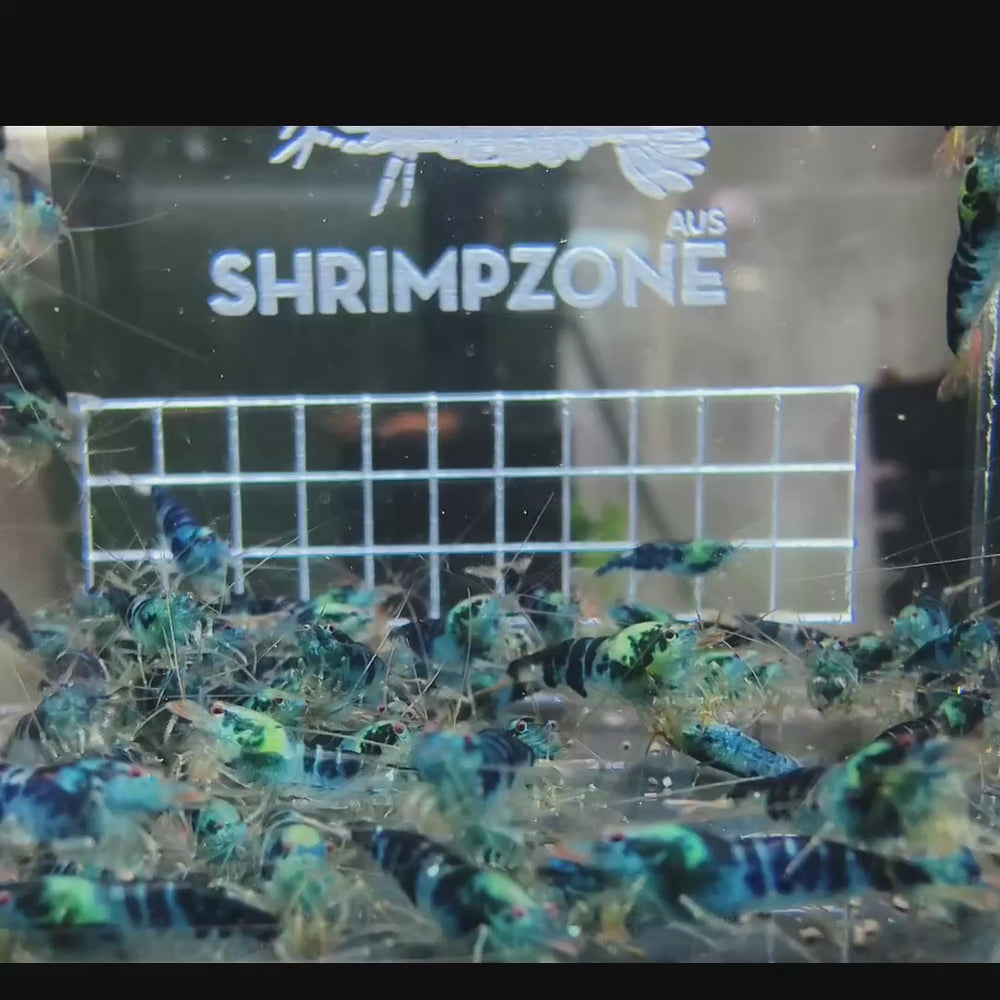
Bee & tiger shrimp, Calceo line

Blue Dragon Calceo Shrimp

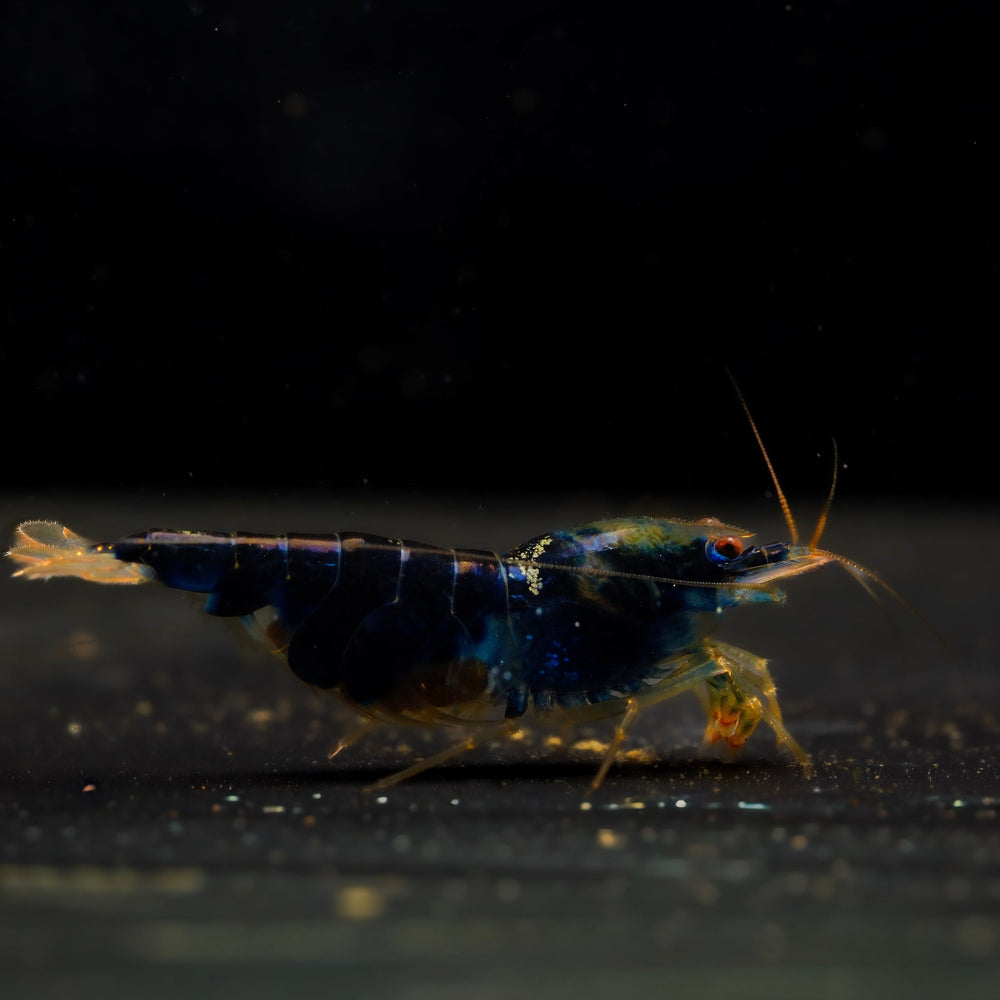
A deep blue shrimp, coloured right through, in the shell and in the flesh underneath. Bred in our Sunshine breeding room.

Sold as unsexed juveniles, 0.6 to 1.2 cm.

Choose how many

Blue Dragon Calceo ShrimpPre-order

$20.00 AUD per shrimp

Shrimp total$20.00

1 shrimp

You get a clip of your shrimp before dispatch day.

ShipsMon or Tue ArrivesBy express post Covered96 h in transit

Dispatched on Mondays and Tuesdays.

$25 express, free from $180 Delivery details

We only ship live animals toACTNSWQLDSAVIC

We can't ship live animals toWANTTAS

Message us for further enquiries

A line worth getting to know

About the Calceo line & photographs

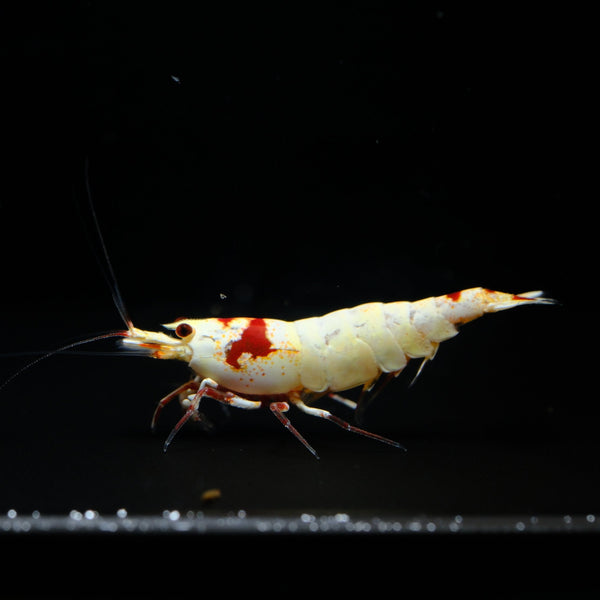
The Calceo, known across the hobby as "Dragon Blood", is prized for its segmented pattern and the contrast between shell and body. Our Blue Dragon Calceo takes that same genetic base and pushes it into a deep, saturated blue. It is bred so the colour shows through the internal tissue as well as the shell, where many blue shrimp have a blue shell over pale flesh. About the photo. We...

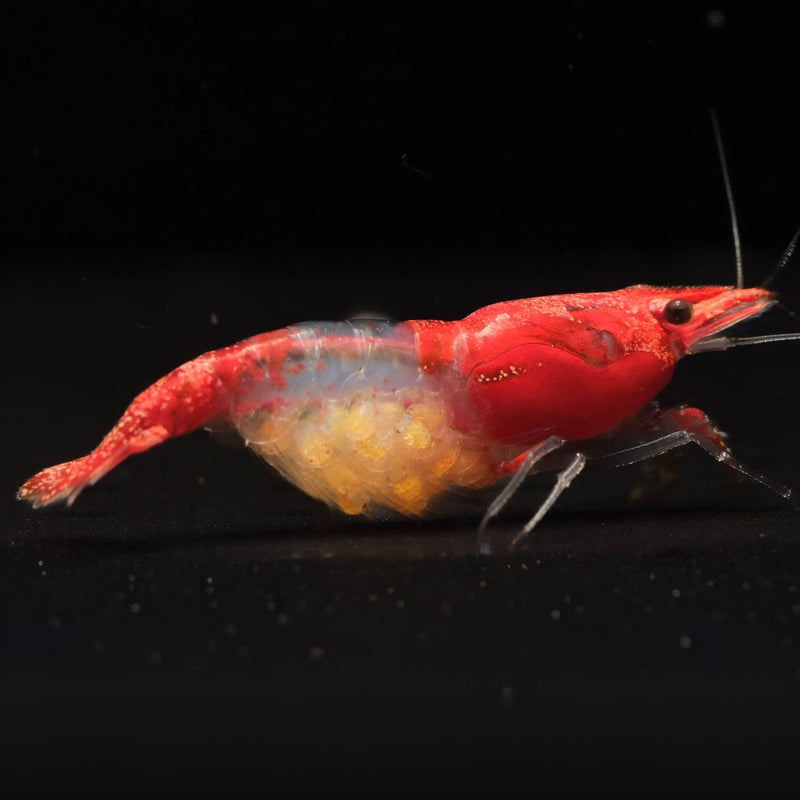
Photographs show reference adults. As the supplied juveniles mature, shell density, head coverage and colour keep developing with each moult.

Explore colour, lineage & development

The details, when you need them

Appearance & grading

What this line looks like, how it develops, and how the grades differ.

Colour, lineage & development

Blue Dragon Calceo Shrimp (Caridina) | Single Grade Colony

A deep blue shrimp, coloured right through, in the shell and in the flesh underneath.

Arrives young with the pattern already set and the blue still building. The colour saturates as they mature, until it seems to glow from within.

One price, no grades. The colour takes months to finish, so sorting on arrival-day blue would only reward the fastest grower.

Caridina. It wants soft, slightly acidic water and a tank that has settled in. Numbers in the FAQ.

The Calceo, known across the hobby as "Dragon Blood", is prized for its segmented pattern and the contrast between shell and body. Our Blue Dragon Calceo takes that same genetic base and pushes it into a deep, saturated blue. It is bred so the colour shows through the internal tissue as well as the shell, where many blue shrimp have a blue shell over pale flesh.

About the photo. We ship unsexed juveniles (too young to tell male from female). At that age the internal blue tissue and the contrast with the outer shell are still developing, and they will keep deepening as they grow. The photo shows what they grow toward.

The difference in this line is where the blue sits.

  • Full-depth colour: Most blue Dragon-type shrimp colour only the outer shell, leaving the flesh underneath pale or transparent, which reads as washed out under tank lighting. This line carries blue in the internal tissue too, so the colour has depth.
  • Develops with age: Juveniles arrive with the pattern already established and the saturation still building. The look of glowing from the inside out comes on gradually as they mature.

We grade the traits that vary within a batch: pattern density, colour saturation and how far colour wraps around the shell. Where those differences show clearly in the tank, we sort them and price each tier accordingly.

Internal tissue pigmentation needs time to fully saturate. A juvenile that looks average on arrival day can end up just as deep and multi-dimensional as one that looks striking early. Sorting on arrival-day colour would reward juveniles for growing up faster, not for better genetics.

So Blue Dragon Calceos are one grade, one price. You are buying the lineage, not a shipping-day snapshot.

The photo shows a high-grade or best-looking adult from the batch. We ship unsexed juveniles, 0.6 to 1.2 cm, too young to tell male from female. Shrimp arrive pale from the trip and colour back up within days. For detailed water parameters, tank setup guides, and our 100% Live Arrival Guarantee, see our FAQ.

Water & care

The water they need, how to settle them in, and the first few days.

Water, care & arrival acclimation
pH
5.5–6.5
GH
4–6 dGH
TDS
100–150 ppm
KH
0–1 dKH
Temperature
20–24 °C
Tank
30+ L

Buffered (RO water).

Drip-acclimate slowly, adding tank water a little at a time. Float the sealed bag for 10 to 15 minutes so the temperature matches, then drip tank water over an hour or two. Care & acclimation guide

Photograph and video any affected animals promptly and contact us within 8 hours of delivery. Arrival cover does not extend to deaths after acclimation begins.

First days & common questions
Before you buy 8 quick answers
What actually turns up in the bag?

Unsexed juveniles, 0.6 to 1.2 cm, about the size of a grain of rice and too young to tell male from female. Shipping at this size gives the best survival and the easiest adaptation to your water, and you always end up with both sexes. Adults are available on request at roughly twice the juvenile price.

Will they look like the photo?

Not on day one. The photo shows a high-grade or best-looking adult from the batch. The shrimp you receive is young and still filling in. The colour packs in with each moult, the white thickens, and on the patterned lines the tone the white takes on (blue, green, orange or pink) arrives with maturity. The body's base colour, red or black, never changes. Every shrimp is an individual, so no two carry exactly the same pattern.

What does the grade mean?

The grade describes appearance and says nothing about health. An Entry shrimp is as healthy as a Collector one and comes from the same parents. It shows less of the pattern and has more flaws in it. What we grade on differs by line, and the Grading panel above spells it out for this one. We grade by eye at shipping size, and shrimp rarely move a grade as they grow. If you know the hobby's letters, Entry is roughly S, Mid SS, High SSS.

Can I keep them in my water?

If your tank matches the water card above, yes. Bee and tiger shrimp (Caridina) want soft, slightly acidic water, which in practice means purified (RO) water with a shrimp mineral added back, over an active buffering soil that holds the pH down, in a tank that has been running a while. A near-zero KH is normal for this water. They are a step up from a first shrimp and very stable once the tank is right.

Full care & acclimation guide
They arrived pale and barely moving. Is that normal?

Yes. Every shrimp arrives pale from the trip and colours back up within hours to a few days. Float the bag, then drip your tank water into it slowly over an hour or two before releasing them, so the water changes gradually. If any animal is dead on arrival, photograph it in the unopened bag and contact us within 8 hours of delivery. The Live Arrival Guarantee covers it.

Live arrival guarantee and DOA policy
How do they travel?

Express post only, bagged with oxygen and insulated, dispatched on Mondays and Tuesdays so no animal sits in a depot over a weekend. We deliver to your door, a PO box or a parcel locker; collect it the day it arrives. Parcels left by safe-drop are not covered. We cannot send live animals to Western Australia, the Northern Territory or Tasmania.

Shipping policy
How many should I start with?

Ten is the sensible minimum for a colony that breeds. With unsexed juveniles it all but guarantees both sexes, and a group settles faster than a pair. Our volume prices are built around that. Mixing colours of the same genus in one tank looks fine, but they will interbreed and the offspring drift back toward wild colouring. Keep one colour per tank if you want to keep the line.

What do I do in the first 24 hours?

Lights off, bag closed. Float the sealed bag in the tank for 10 to 15 minutes so the temperature matches. Darkness lowers stress.

Drip, don’t pour. Drip tank water into the bag slowly. A sudden change in TDS, GH or pH is the number-one cause of losses in the first week.

Something wrong? Photograph and video the unopened bag and email us within 8 hours. The Live Arrival Guarantee covers a replacement or a refund of the livestock value.

Full care & acclimation guide

Delivery & ordering

Where we send, how it travels, arrival cover and pre-orders.

Delivery, restrictions & live-arrival cover

$25 Express post, free on orders of $180 or more (soil, stone and wood excluded).

We deliver to your door, a PO box or a parcel locker. Collect it the day it arrives, because any claim needs to reach us within 8 hours of the delivery scan. Parcels left by safe-drop are not covered.

Packed insulated, with a heat or cold pack when the weather needs it. We dispatch on Mondays and Tuesdays. Express delivery usually takes 1 to 3 business days, though Australia Post does not guarantee it. Dry goods ordered with livestock travel in the same box, for the one Express post price.

If any animals arrive dead, send your order number, clear photos and a short video within 8 hours of the delivery scan, ideally of the sealed bag. You choose a refund, free replacements with your next order, or store credit.

  • Under 96 hours (4 days) in transit: full cover
  • More than 96 hours: outside the guarantee, but contact us and we will work something out

Full DOA & missing items policy

Pre-order costs, timing & cancellation

A pre-order is a one-off purchase, not a subscription. You can pay a deposit or pay in full. If you pay a deposit, we email you before charging the balance to the same card ahead of your shipping date.

Tell us when your tank is ready (reply to your order email or email support@shrimpzone.com.au) and we dispatch on the next Monday. The weather has to be safe to travel, and we tell you if it delays it.

Cancel any time before dispatch for a full refund of your deposit. To cancel, email support@shrimpzone.com.au with your order number.

Full policies: Shipping Arrival & missing items Refunds